
How Can Debt Relief Help You Regain Financial Control?

May 22, 2026

How Can Debt Relief Help You Regain Financial Control?

Debt problems can affect nearly every part of your life. Constant creditor calls, overdue bills, mounting interest, and financial uncertainty can create overwhelming stress for individuals and families alike.


Many people facing serious debt begin to worry about:


  • Keeping up with monthly payments
  • Falling behind on rent or mortgage obligations
  • Wage garnishments
  • Lawsuits from creditors
  • Damage to their credit
  • Supporting their families


When debt becomes difficult to manage, it may feel like there is no clear way forward. However, there are often legal and financial options available that may help individuals regain stability and take back control of their finances.


At Ward & Tarbert, LLC, we help clients throughout South Carolina explore debt relief solutions tailored to their unique financial situations and long-term goals.


What Is Debt Relief?

Debt relief is a broad term used to describe strategies that may help individuals:

  • Reduce debt burdens
  • Manage payments more effectively
  • Stop creditor pressure
  • Resolve financial obligations
  • Work toward long-term financial recovery


Depending on the circumstances, debt relief options may include:

  • Debt settlement
  • Negotiated repayment plans
  • Debt consolidation
  • Chapter 7 bankruptcy
  • Chapter 13 bankruptcy


Every financial situation is different, which is why personalized legal guidance can be important when evaluating available options.


Debt Settlement May Help Reduce What You Owe

In some situations, creditors may agree to:


Settle debts for less than the full balance owed.

Debt settlement negotiations may involve:

  • Credit card debt
  • Medical bills
  • Certain unsecured loans


An attorney may work directly with creditors to negotiate:

  • Reduced payoff amounts
  • Modified payment terms
  • Lower interest obligations
  • Structured repayment arrangements


Successful debt settlement can sometimes help individuals avoid prolonged collection activity and reduce overall financial pressure.


Negotiating With Creditors Can Reduce Stress

Dealing with creditors directly can feel intimidating and emotionally exhausting, especially when collection calls become constant.


Legal representation may help by:

  • Communicating with creditors on your behalf
  • Negotiating repayment options
  • Addressing collection efforts
  • Working toward manageable solutions


For many people, simply having an experienced advocate involved in the process can provide significant peace of mind during a difficult financial period.


Customized Repayment Plans Can Create Stability

Debt relief is not one-size-fits-all.


Some individuals may benefit from repayment plans that:


  • Consolidate multiple debts
  • Lower monthly payments
  • Extend repayment timelines
  • Create more manageable budgeting structures


The goal is often to create realistic financial solutions that allow individuals to regain stability while continuing to meet important living expenses.


Bankruptcy May Provide a Fresh Financial Start

When debts become unmanageable, bankruptcy may provide important legal protections and financial relief.


Chapter 7 Bankruptcy

Chapter 7 bankruptcy may allow qualifying individuals to discharge certain unsecured debts, including:

  • Credit card debt
  • Medical bills
  • Personal loans


Chapter 7 can also stop many collection actions, including:

  • Creditor lawsuits
  • Wage garnishments
  • Collection calls


Eligibility may depend on financial qualifications and the bankruptcy means test.


Chapter 13 Bankruptcy Focuses on Repayment

Chapter 13 bankruptcy allows individuals to:


Reorganize debts into a structured repayment plan.

This option may help people:


  • Catch up on mortgage payments
  • Prevent foreclosure
  • Stop repossession actions
  • Retain important assets while repaying debts over time


Repayment plans are typically based on income and financial circumstances.


Debt Relief Can Help Stop Creditor Harassment

One of the most immediate benefits many individuals seek is relief from:


  • Repeated collection calls
  • Threatening letters
  • Lawsuits
  • Aggressive collection activity


Depending on the legal strategy involved, debt relief efforts may help reduce or stop these pressures while a long-term solution is developed.


Financial Problems Do Not Define Your Future

Many hardworking individuals and families face financial hardship because of:


  • Medical emergencies
  • Job loss
  • Divorce
  • Economic downturns
  • Unexpected life events


Seeking debt relief is not a sign of failure. In many cases, it is a practical step toward rebuilding financial stability and creating a healthier future.


Why Early Action Matters

Waiting too long to address serious debt problems can sometimes lead to:


  • Additional interest and penalties
  • Lawsuits
  • Wage garnishments
  • Foreclosure risks
  • Increased financial stress


Exploring options early may provide more flexibility and allow individuals to take proactive steps before the situation becomes more difficult.


How Ward & Tarbert, LLC Helps Clients Pursue Financial Relief

Ward & Tarbert, LLC works with individuals and families throughout Greenville and South Carolina to explore debt settlement, repayment strategies, and bankruptcy solutions tailored to their financial needs. The firm focuses on helping clients reduce financial stress, negotiate with creditors, and move toward long-term financial recovery with practical legal guidance and personalized support.


Take the First Step Toward Financial Relief

Debt problems can feel overwhelming, but there may be solutions available to help you regain control of your financial future. Understanding your options is often the first step toward lasting relief and stability.


📞 Contact Ward & Tarbert, LLC today at 864-900-9323 to schedule a consultation and discuss your debt relief options.

Bankruptcy form beside calculator and scattered coins on a desk
September 18, 2026
Learn how Chapter 11 bankruptcy works in South Carolina, from restructuring debt to creating a repayment plan, and how our Greenville attorneys can help you.
Calculator, bankruptcy form, money, and a black checkbook on a white desk.
July 16, 2026
Learn how bankruptcy may help stop wage garnishments, creditor calls, lawsuits, and collection actions while giving you a path toward financial relief.
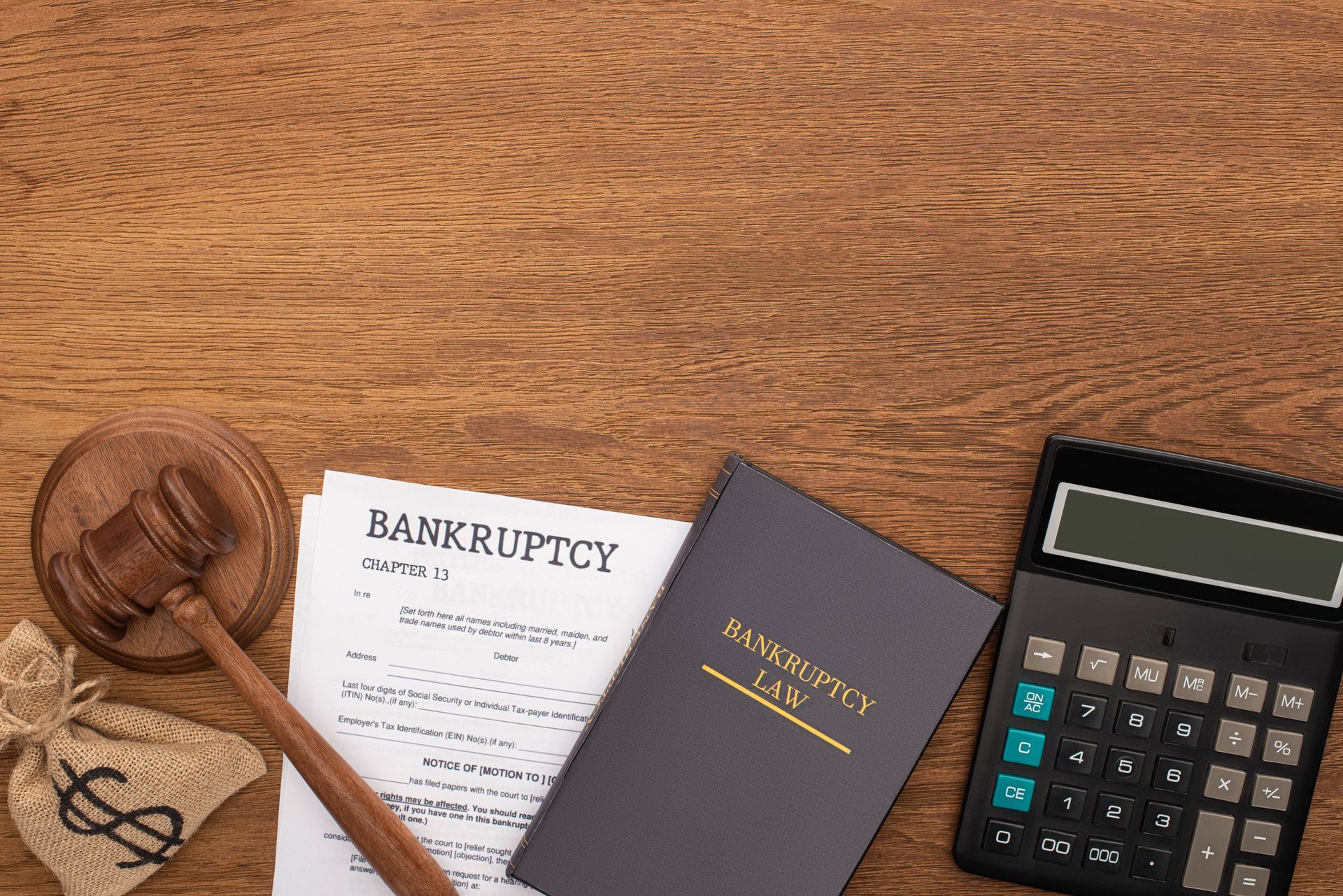
Wooden gavel, money bag, bankruptcy documents, law book, and calculator on a wood table.
April 23, 2026
Learn whether you can keep your home and vehicle when filing Chapter 7 or Chapter 13 bankruptcy in South Carolina. Jason Ward Law, LLC serves Greenville residents seeking debt relief.
Wallet with
February 26, 2026
Learn the key differences between debt settlement and bankruptcy in South Carolina. Jason Ward Law, LLC helps Greenville residents determine the best path toward financial relief.
Person filling out bankruptcy form, representing Chapter 7 bankruptcy in South Carolina.
December 4, 2025
Struggling with overwhelming debt in Greenville, SC? Learn if Chapter 7 bankruptcy is the right option for you. Jason Ward Law helps clients find lasting debt relief.
A bankruptcy form , a judge 's gavel , a pen and a book on a wooden table.
July 3, 2025
Chapter 13 Bankruptcy in South Carolina: A Strategic Step Toward Financial Recovery
A calculator , credit cards , and a notebook with the word debt written on it.
May 5, 2025
Finding Relief: Understanding Your Debt Relief Options in South Carolina
A wooden judge 's gavel is sitting on top of a stack of books.
January 16, 2025
Learn about the essential requirements to file for Chapter 7 Bankruptcy in South Carolina. This article breaks down income eligibility, asset evaluation, credit counseling, and other key factors involved in the Chapter 7 bankruptcy process.
A dollar bill is laying on the ground in the desert.
October 24, 2024
When individuals or businesses face financial distress, bankruptcy can provide a structured pathway to relief and a new beginning. In South Carolina, the two primary options for bankruptcy are Chapter 11 and Chapter 7, each tailored to different financial needs and specific circumstances. Chapter 7 Bankruptcy Chapter 7 Bankruptcy, often referred to as liquidation bankruptcy, is specifically designed for individuals or businesses seeking to discharge most of their unsecured debts, such as credit card balances and medical bills. This type of bankruptcy offers a way to eliminate these debts, providing a clean slate for the debtor. In the Chapter 7 process, a bankruptcy trustee is appointed to oversee the case. This trustee plays a crucial role, as they have the authority to liquidate non-exempt assets owned by the debtor to repay creditors. The assets that are considered non-exempt and subject to liquidation vary by state but typically include luxury items or additional properties beyond the primary residence. Qualifying for Chapter 7 To qualify for Chapter 7 Bankruptcy, individuals must pass a means test, which is a critical step in the process. The means test assesses their income against the state median to determine eligibility. This test ensures that Chapter 7 is reserved for those who truly need it, filtering out individuals with higher incomes who may have the means to repay their debts through Chapter 13 bankruptcy, which involves a repayment plan. Chapter 11 Bankruptcy Chapter 11 bankruptcy is a reorganization bankruptcy, often used by businesses but also available to individuals with complex financial situations. This type of bankruptcy allows the debtor to create a plan to restructure their debts and continue operations while repaying creditors over time. Chapter 11 is typically more complex and expensive than Chapter 7, as it involves negotiating with creditors and obtaining court approval for the repayment plan. In South Carolina, the process of filing for Chapter 11 bankruptcy begins with submitting a petition to the Bankruptcy Court along with various supporting documents, such as schedules of assets and liabilities, current income and expenses, and a disclosure statement outlining the proposed repayment plan. Qualifying for Chapter 11 To qualify for Chapter 11 bankruptcy, individuals or businesses must have significant assets and liabilities. This type of bankruptcy is often referred to as reorganization bankruptcy, as it allows the debtor to restructure their debts and develop a repayment plan while remaining in control of their assets. Unlike Chapter 7, there is no means test for Chapter 11, making it available to a wider range of debtors. The key differences between Chapter 7 and Chapter 11 lie in their purpose and process. Chapter 7 focuses on liquidating assets to discharge debts quickly, a straightforward yet severe option for those who can no longer service their debt, while Chapter 11 emphasizes restructuring debts to enable continued operation and repayment, often seen as a lifeline for businesses seeking to preserve value and jobs. Understanding these distinctions is crucial for individuals and businesses considering bankruptcy, as each serves different financial needs and goals. At Jason Ward Law, our team is here to share your options and find the best solution for your financial situation, offering guidance for your circumstances.
A pink piggy bank with a calculator and coins on a wooden table.
June 27, 2024
If you are facing financial struggles, you may be considering filing for bankruptcy. One option that may be available to you is Chapter 13 bankruptcy. But what exactly is Chapter 13 bankruptcy and how does it work? How is it different from Chapter 7 bankruptcy? In this blog post, we will explore the ins and outs of Chapter 13 bankruptcy and discuss the benefits of filing for this type of bankruptcy. Additionally, we will introduce Jason Ward Law, a trusted law firm that can assist the Upstate South Carolina public with all their bankruptcy matters. Chapter 13 bankruptcy, also known as reorganization bankruptcy, allows individuals with a regular income to create a repayment plan to pay off their debts over a period of three to five years. This plan is approved by the court and typically involves consolidating debts into one monthly payment that is more manageable for the filer. Unlike Chapter 7 bankruptcy, which involves liquidating assets to pay off debts, Chapter 13 allows individuals to keep their property while catching up on past due payments. One key difference between Chapter 13 and Chapter 7 bankruptcy is the eligibility requirements. To qualify for Chapter 7 bankruptcy, individuals must pass a means test showing that their income is below a certain threshold. In contrast, Chapter 13 does not have strict income requirements but instead requires filers to have enough disposable income to make monthly payments towards their debts. Additionally, while Chapter 7 typically takes a few months to complete, Chapter 13 lasts several years as filers work through their repayment plan. There are several benefits to filing for Chapter 13 bankruptcy. One major advantage is the ability to stop foreclosure proceedings and catch up on mortgage arrears through the repayment plan. Additionally, individuals can often reduce or eliminate unsecured debts such as credit card bills or medical expenses. Another benefit is the opportunity to restructure secured debts like car loans or tax debt, potentially lowering interest rates or extending repayment terms. At Jason Ward Law, our team has experience in helping individuals navigate the complexities of bankruptcy law. We understand that financial difficulties can be overwhelming and stressful, which is why we are dedicated to providing compassionate and personalized legal guidance throughout the entire process. Whether you are considering filing for Chapter 13 bankruptcy or exploring other debt relief options, we are here to help you achieve financial stability and peace of mind.  In conclusion, understanding the nuances of Chapter 13 bankruptcy can be crucial for individuals facing financial challenges in Upstate South Carolina. By working with a knowledgeable attorney at Jason Ward Law, you can receive expert guidance on how best to proceed with your debt relief journey. From creating a feasible repayment plan to protecting your assets from liquidation, our team is committed to advocating for your best interests every step of the way. Don't let financial stress hold you back – contact Jason Ward Law today to explore your options and take control of your financial future.