

Who qualifies for Chapter 7 bankruptcy in South Carolina?

June 3, 2024

Who qualifies for Chapter 7 bankruptcy in South Carolina?

Are you struggling with overwhelming debt and considering filing for bankruptcy in South Carolina? Chapter 7 bankruptcy may be a viable option for you. At Jason Ward Law, LLC, we understand the complexities of bankruptcy law and can assist South Carolina residents in navigating the process. In this blog post, we will discuss who qualifies for Chapter 7 bankruptcy and provide valuable information to help you determine if this is the right solution for your financial situation.


Chapter 7 bankruptcy is known as liquidation bankruptcy, where most of your unsecured debts are discharged, providing you with a fresh start financially. To qualify for Chapter 7 bankruptcy in South Carolina, you must pass the means test. This test compares your income to the median income in South Carolina for a household of your size. If your income is below the median income, you automatically qualify for Chapter 7 bankruptcy. However, if your income is above the median income, further calculations are required to determine eligibility.


In addition to passing the means test, individuals seeking Chapter 7 bankruptcy must also meet certain requirements regarding previous bankruptcies. For instance, if you have filed for Chapter 7 bankruptcy within the past eight years or Chapter 13 bankruptcy within the past six years, you may not be eligible to file again. It's important to consult with a knowledgeable bankruptcy attorney at Jason Ward Law, LLC to understand all eligibility requirements and ensure that filing for Chapter 7 is the best option for your situation.


When filing for Chapter 7 bankruptcy in South Carolina, it's essential to disclose all of your assets and liabilities accurately. Certain assets may be exempt from liquidation under state or federal laws, allowing you to keep them even after filing for bankruptcy. Working with an experienced attorney can help protect your assets and ensure that you receive maximum debt relief through the Chapter 7 process.


Furthermore, individuals considering filing for Chapter 7 should be aware of certain debts that cannot be discharged through this type of bankruptcy. Examples include student loans (in most cases), child support payments, alimony obligations, and certain tax debts. Understanding which debts are dischargeable under Chapter 7 can help you make informed decisions about pursuing this form of bankruptcy.


Navigating the complexities of Chapter 7 bankruptcy can be overwhelming without proper legal guidance. At Jason Ward Law, LLC, our team is dedicated to helping South Carolina residents achieve financial freedom through strategic debt relief solutions. If you believe that Chapter 7 bankruptcy may be right for you or have questions about eligibility requirements, don't hesitate to contact us today for a confidential consultation. Let us assist you in taking control of your finances and building a brighter future free from overwhelming debt.
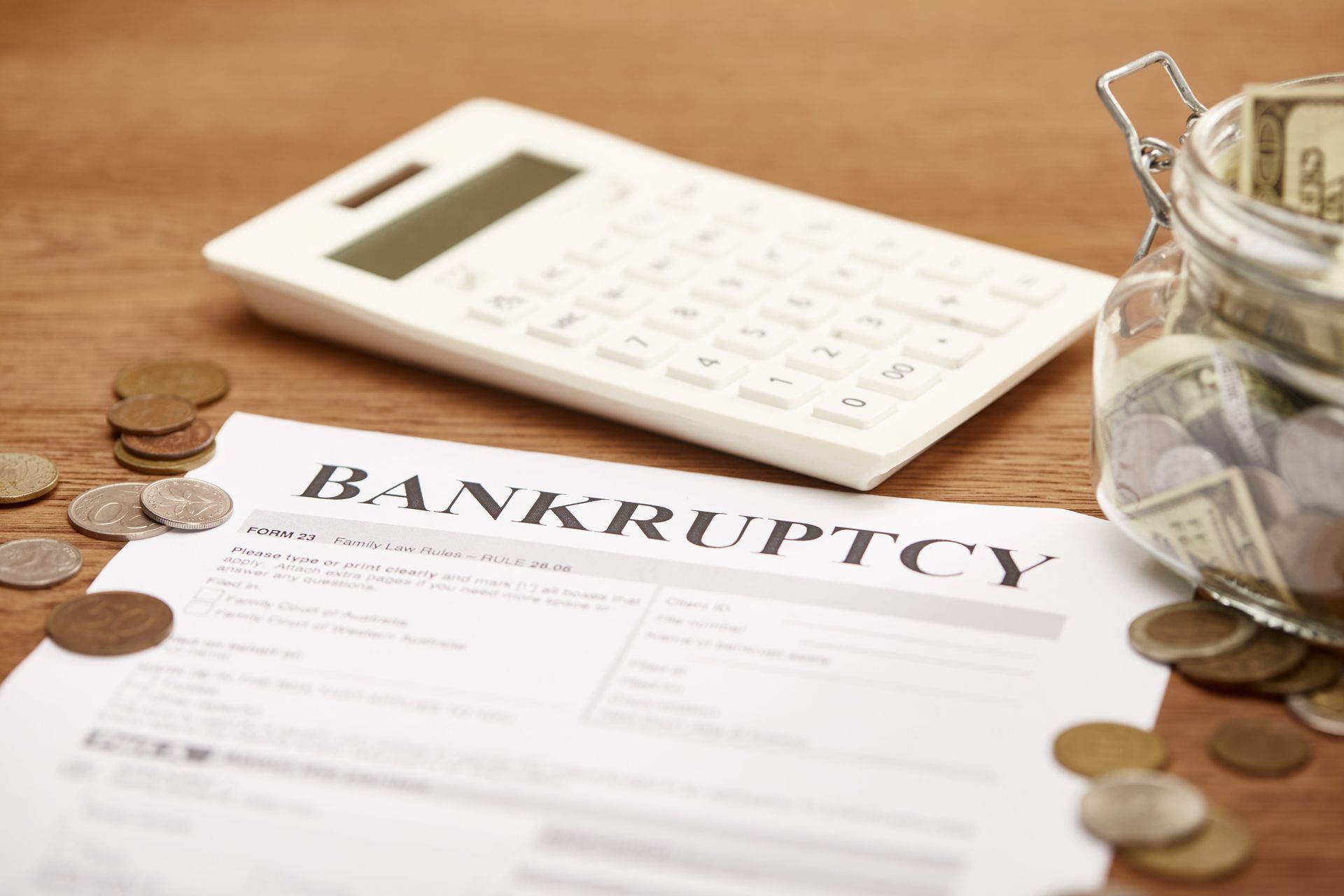

Bankruptcy form beside calculator and scattered coins on a desk
September 18, 2026
Learn how Chapter 11 bankruptcy works in South Carolina, from restructuring debt to creating a repayment plan, and how our Greenville attorneys can help you.
Calculator, bankruptcy form, money, and a black checkbook on a white desk.
July 16, 2026
Learn how bankruptcy may help stop wage garnishments, creditor calls, lawsuits, and collection actions while giving you a path toward financial relief.
Broken pink piggy bank with coins and a gavel on dollar bills
May 22, 2026
Learn how debt relief options like debt settlement, repayment plans, and bankruptcy may help you reduce financial stress and regain control of your future.
Wooden gavel, money bag, bankruptcy documents, law book, and calculator on a wood table.
April 23, 2026
Learn whether you can keep your home and vehicle when filing Chapter 7 or Chapter 13 bankruptcy in South Carolina. Jason Ward Law, LLC serves Greenville residents seeking debt relief.
Wallet with
February 26, 2026
Learn the key differences between debt settlement and bankruptcy in South Carolina. Jason Ward Law, LLC helps Greenville residents determine the best path toward financial relief.
Person filling out bankruptcy form, representing Chapter 7 bankruptcy in South Carolina.
December 4, 2025
Struggling with overwhelming debt in Greenville, SC? Learn if Chapter 7 bankruptcy is the right option for you. Jason Ward Law helps clients find lasting debt relief.
A bankruptcy form , a judge 's gavel , a pen and a book on a wooden table.
July 3, 2025
Chapter 13 Bankruptcy in South Carolina: A Strategic Step Toward Financial Recovery
A calculator , credit cards , and a notebook with the word debt written on it.
May 5, 2025
Finding Relief: Understanding Your Debt Relief Options in South Carolina
A wooden judge 's gavel is sitting on top of a stack of books.
January 16, 2025
Learn about the essential requirements to file for Chapter 7 Bankruptcy in South Carolina. This article breaks down income eligibility, asset evaluation, credit counseling, and other key factors involved in the Chapter 7 bankruptcy process.
A dollar bill is laying on the ground in the desert.
October 24, 2024
When individuals or businesses face financial distress, bankruptcy can provide a structured pathway to relief and a new beginning. In South Carolina, the two primary options for bankruptcy are Chapter 11 and Chapter 7, each tailored to different financial needs and specific circumstances. Chapter 7 Bankruptcy Chapter 7 Bankruptcy, often referred to as liquidation bankruptcy, is specifically designed for individuals or businesses seeking to discharge most of their unsecured debts, such as credit card balances and medical bills. This type of bankruptcy offers a way to eliminate these debts, providing a clean slate for the debtor. In the Chapter 7 process, a bankruptcy trustee is appointed to oversee the case. This trustee plays a crucial role, as they have the authority to liquidate non-exempt assets owned by the debtor to repay creditors. The assets that are considered non-exempt and subject to liquidation vary by state but typically include luxury items or additional properties beyond the primary residence. Qualifying for Chapter 7 To qualify for Chapter 7 Bankruptcy, individuals must pass a means test, which is a critical step in the process. The means test assesses their income against the state median to determine eligibility. This test ensures that Chapter 7 is reserved for those who truly need it, filtering out individuals with higher incomes who may have the means to repay their debts through Chapter 13 bankruptcy, which involves a repayment plan. Chapter 11 Bankruptcy Chapter 11 bankruptcy is a reorganization bankruptcy, often used by businesses but also available to individuals with complex financial situations. This type of bankruptcy allows the debtor to create a plan to restructure their debts and continue operations while repaying creditors over time. Chapter 11 is typically more complex and expensive than Chapter 7, as it involves negotiating with creditors and obtaining court approval for the repayment plan. In South Carolina, the process of filing for Chapter 11 bankruptcy begins with submitting a petition to the Bankruptcy Court along with various supporting documents, such as schedules of assets and liabilities, current income and expenses, and a disclosure statement outlining the proposed repayment plan. Qualifying for Chapter 11 To qualify for Chapter 11 bankruptcy, individuals or businesses must have significant assets and liabilities. This type of bankruptcy is often referred to as reorganization bankruptcy, as it allows the debtor to restructure their debts and develop a repayment plan while remaining in control of their assets. Unlike Chapter 7, there is no means test for Chapter 11, making it available to a wider range of debtors. The key differences between Chapter 7 and Chapter 11 lie in their purpose and process. Chapter 7 focuses on liquidating assets to discharge debts quickly, a straightforward yet severe option for those who can no longer service their debt, while Chapter 11 emphasizes restructuring debts to enable continued operation and repayment, often seen as a lifeline for businesses seeking to preserve value and jobs. Understanding these distinctions is crucial for individuals and businesses considering bankruptcy, as each serves different financial needs and goals. At Jason Ward Law, our team is here to share your options and find the best solution for your financial situation, offering guidance for your circumstances.